

Nothing beats the real world. While the digital world has become challenging, the physical world still gives us a sense of trust.
Today’s internet is rife with uncertainty: from cryptocurrency scams, to AI-powered fake videos, bots, and even search engines are starting to lose credibility. Amid this digital chaos, out-of-home advertising (OOH) remains one of the most reliable advertising mediums.
It simply cannot be faked. You can’t walk past a billboard on the street and have it faked, like an image or video online.
1. OOH is the most reliable
Research shows that audiences trust OOH more than any other online advertising format.
Consumers have rated it as “most honest,” “most authentic,” and even more believable than any other digital medium.
Why?
Because physical presence is difficult to deny or manipulate. A large billboard in a public square or an advertisement on a train station embodies the authenticity of the brand.

2. The “Halo” Effect on Brands
Not only are outdoor advertisements more trustworthy, but this trust is also reflected in the brand itself. This effect is known as the “Halo Effect.”
When consumers see a brand’s advertisement in a trusted and organized setting, such as a billboard or metro station, they tend to assume that the brand itself is trustworthy. Studies indicate that 60% of consumers trust brands that advertise in a trusted media environment more.
The main reason is content quality control. Media such as newspapers or outdoor advertising ensure that what is presented to the public has been reviewed and regulated. In contrast, platforms like TikTok or X allow anyone to post any content, which significantly reduces trust.
3. Outdoor ads cannot be blocked or bypassed
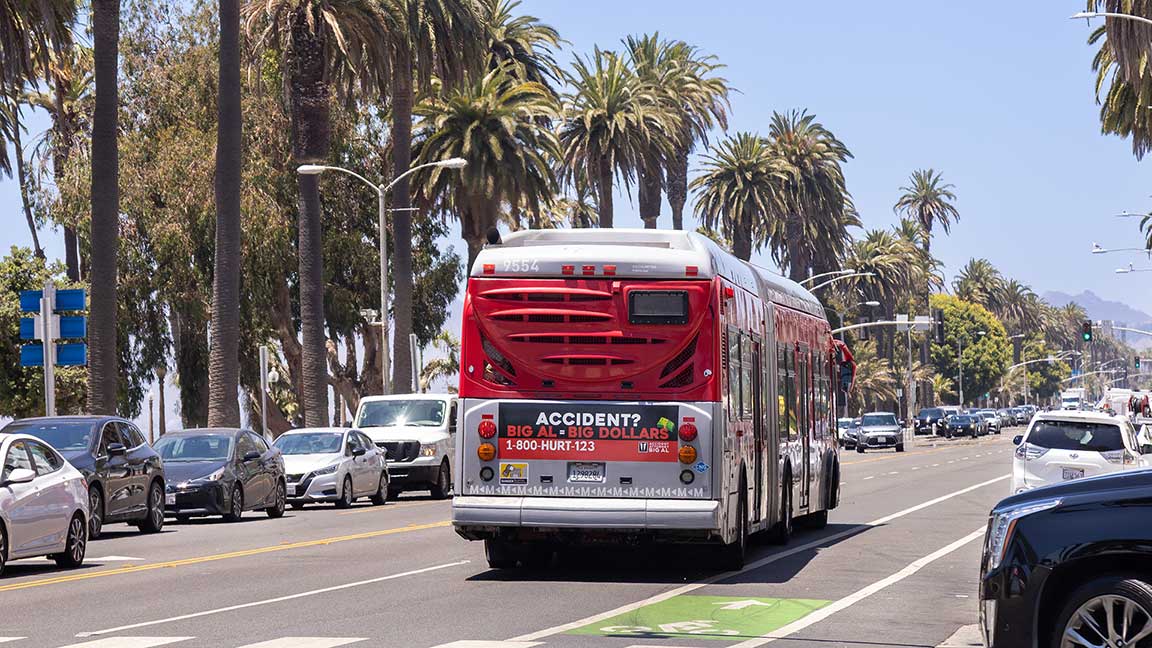
While nearly half of internet users can use ad blocking software, a billboard on the street cannot simply be “disappeared.”
Digital ads are in a constant chase with blocking tools, while outdoor advertising is safe. Consumers inevitably encounter them during their daily commute.
This makes them less likely to be ignored than other mediums, such as video ads or even influencer ads.
4. Outdoor Ads Don’t Interrupt the Audience’s Experience
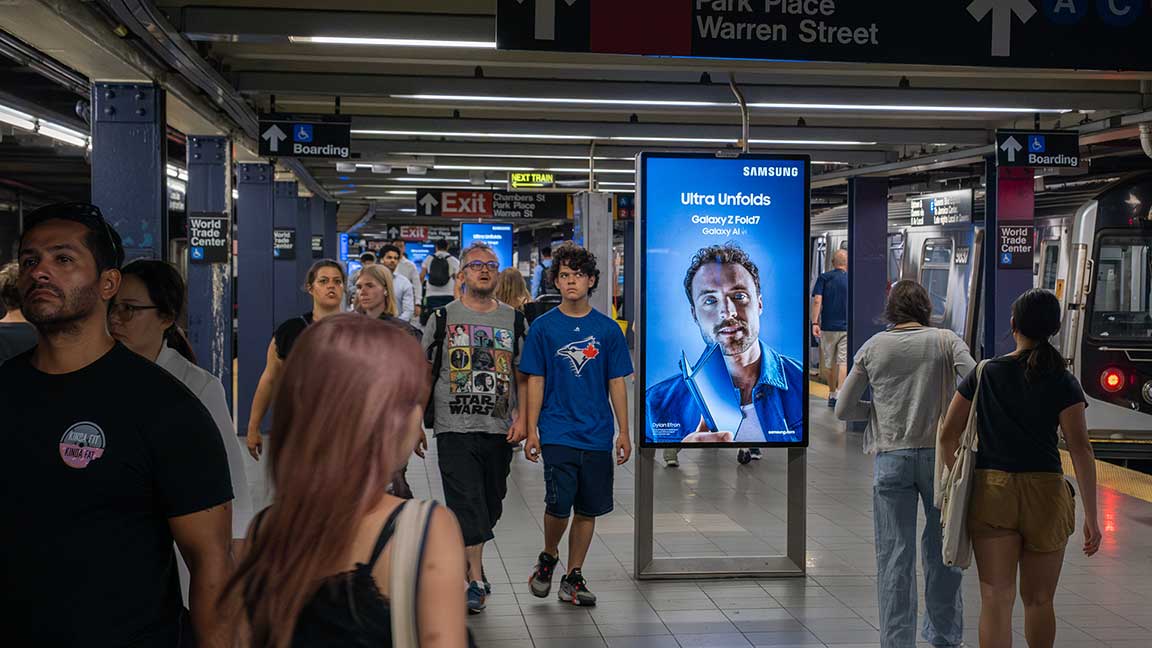
One of the biggest annoyances consumers have is ads that intrude on their digital experience, such as one that suddenly appears in the middle of a video.
Statistics indicate that 55% of consumers have a negative impression of a brand if they feel an ad interrupts them.
Conversely, 63% of consumers said they view brands that use non-intrusive ads favorably. This is where the power of outdoor advertising lies. It doesn’t impose itself on the audience, but rather becomes part of the urban or everyday landscape, giving it a less intrusive and more acceptable feel.
5. Exceptional Value: Broad Impact and Low Cost
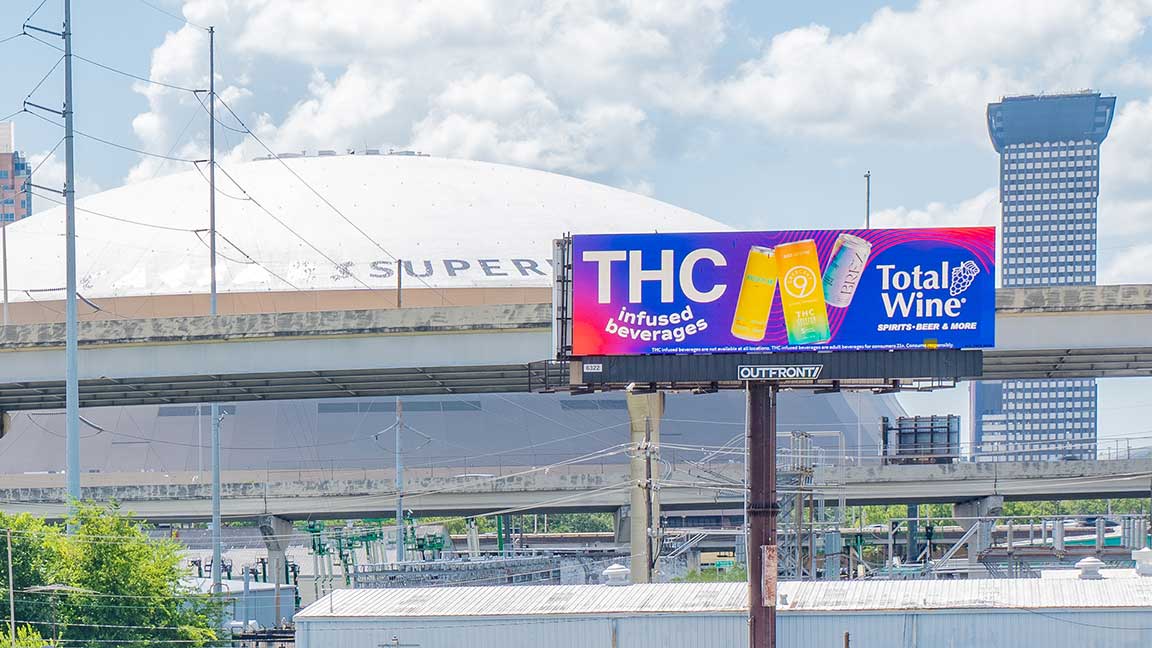
Outdoor advertising is one of the most powerful tools for building brand awareness, but it’s not limited to that.
It impacts the entire customer journey:
47.7% of consumers research the brand after seeing it.
41% visit the brand’s website.
30.9% visit physical stores.
22.6% make a purchase immediately after being exposed to an ad.
When we combine this impact with the relatively low costs compared to digital advertising (CPM), it becomes easy to consider outdoor advertising one of the best advertising investments available today.

Conclusion
In a world where digital content is increasingly skeptical, outdoor advertising remains the most reliable and effective option.
It cannot be bypassed or obscured, does not disturb the audience, and leaves a positive impact that extends from awareness to purchasing decision.
That’s why, in late 2025, outdoor advertising is one of the most powerful and valuable marketing tools.
